
WebXR Basics
0 1135
🌠What Is WebXR? A Friendly Introduction
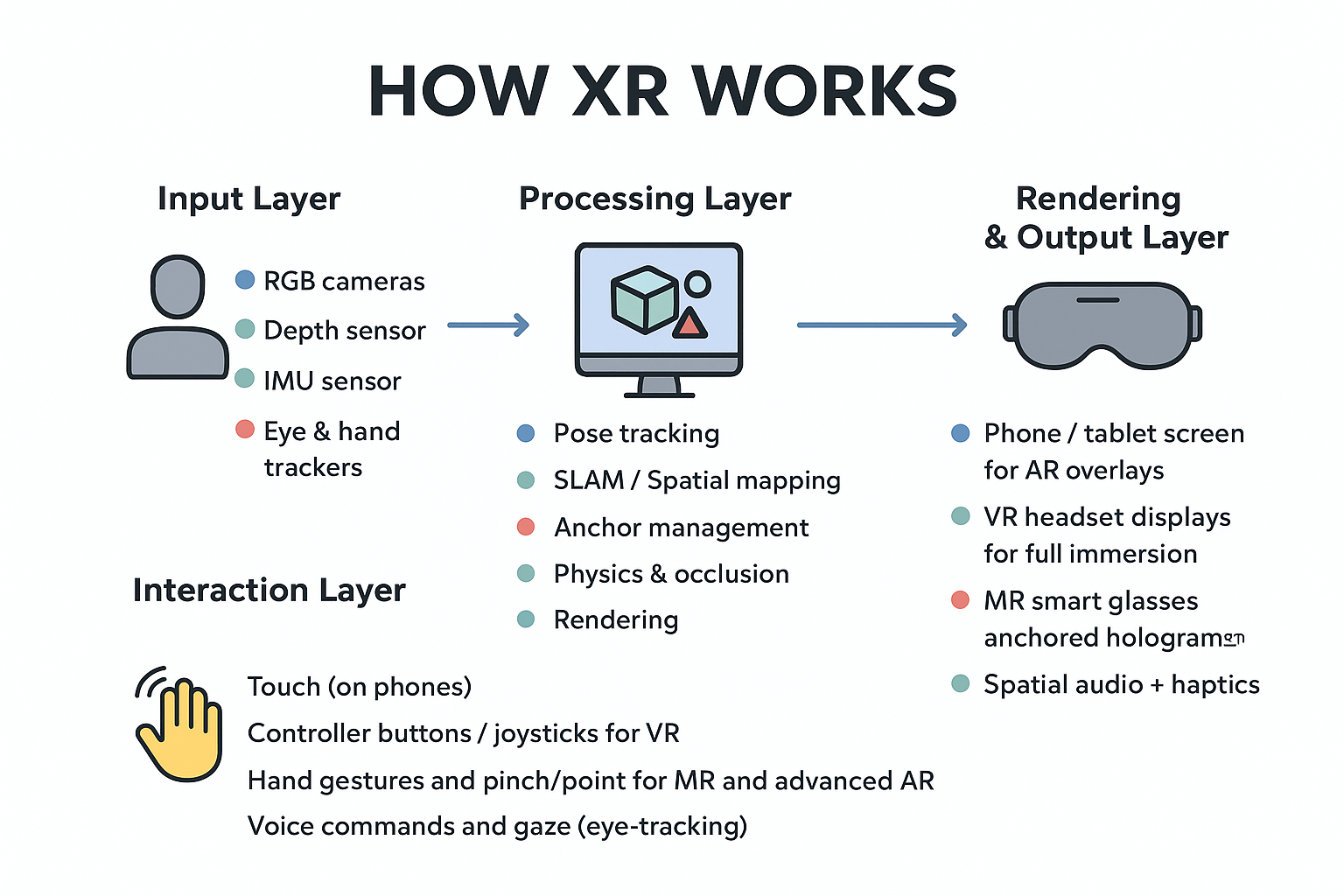
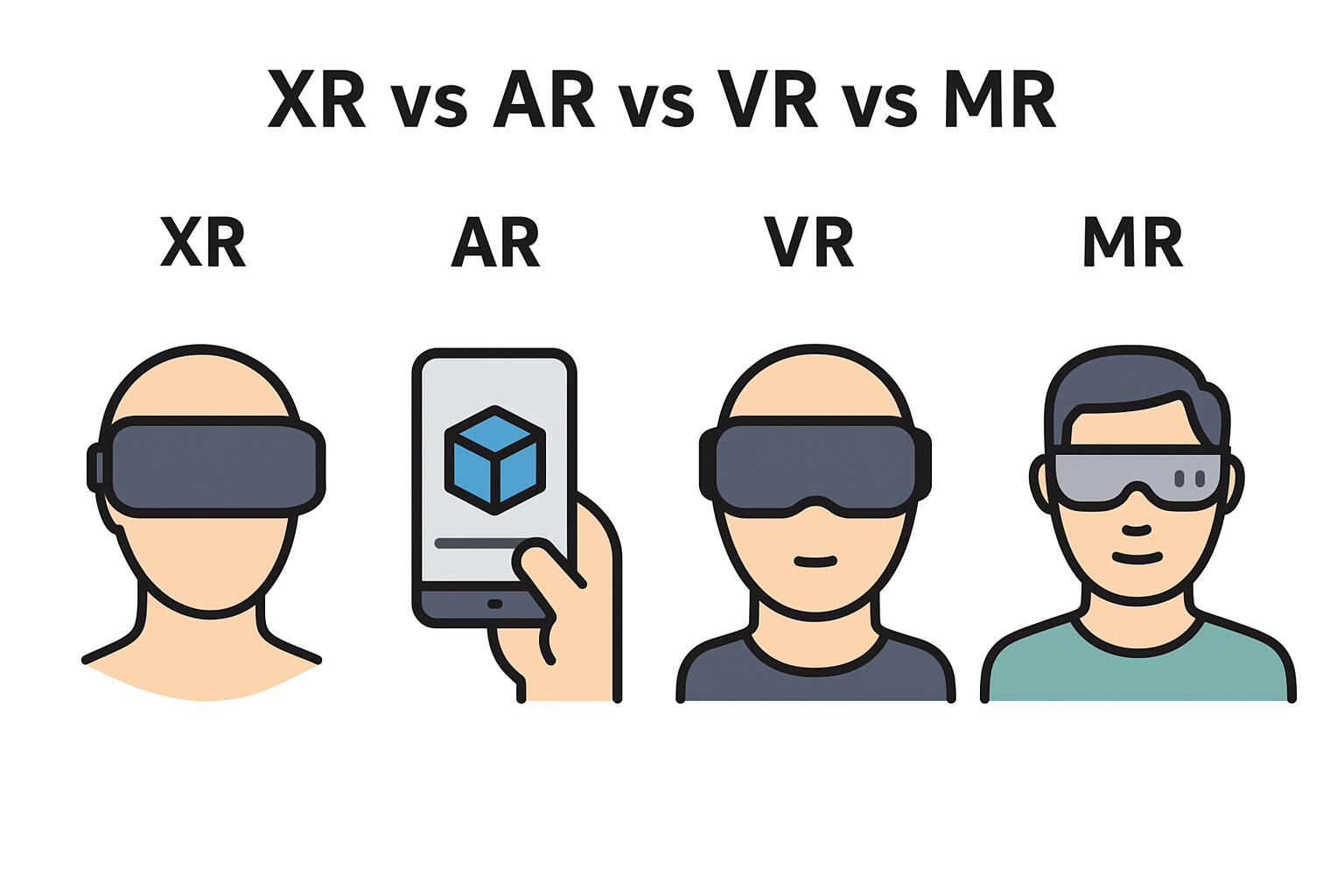
WebXR is a powerful browser-based technology that brings Virtual Reality (VR) and Augmented Reality (AR) experiences directly to the web. Instead of relying on heavy installations or native apps, developers can create immersive worlds using familiar web tools like HTML, JavaScript, and WebGL. This makes WebXR an ideal starting point for beginners stepping into the XR universe.🚀 Why WebXR Matters in Modern Development
The beauty of WebXR lies in its universality. Whether it's a VR headset, smartphone, or desktop, WebXR bridges devices through a single API. Developers can design once and publish everywhere. As cross-platform XR becomes mainstream, understanding these basics opens doors to futuristic interactions and more accessible immersive apps.🧩 Core Components of WebXR
Before writing any code, it’s helpful to understand the core pillars of WebXR:- Sessions – Represent AR or VR modes the user enters.
- Render Loop – Handles frame updates for each eye or AR layer.
- Input Sources – Provides controller or hand-tracking data.
- Reference Spaces – Define how objects are placed and tracked in the environment.
💻 Checking WebXR Support in the Browser
Not all browsers support WebXR out of the box. Below is a simple JavaScript snippet to verify compatibility:
// Checking if WebXR is supported
if (navigator.xr) {
    navigator.xr.isSessionSupported("immersive-vr")
        .then((supported) => {
            if (supported) {
                console.log("VR is supported on this browser!");
            } else {
                console.log("VR not supported.");
            }
        });
} else {
    console.log("WebXR API is not available.");
}
🎮 Starting a Basic VR Session
Once support is confirmed, you can initiate a VR session with only a few lines:
async function startVR() {
    const session = await navigator.xr.requestSession("immersive-vr");
    console.log("VR session started:", session);
}
ðŸ•¹ï¸ Handling User Inputs in WebXR
Controllers, touch gestures, and hand-tracking hardware all become input sources. A common listener looks like this:
session.addEventListener("inputsourceschange", (event) => {
    event.added.forEach(source => {
        console.log("Input added:", source);
    });
});
📦 Helpful Libraries for WebXR Beginners
To speed up development, many developers rely on libraries that abstract complex WebXR setup:- Three.js – Simplifies rendering and scene management.
- A-Frame – Build VR using HTML-like tags.
- Babylon.js – High-performance engine with built-in WebXR helpers.
🔠Simple WebXR Example Using Three.js
Here’s a quick example of enabling WebXR in a Three.js scene:
const renderer = new THREE.WebGLRenderer({ antialias: true });
renderer.xr.enabled = true;

document.body.appendChild(renderer.domElement);

document.body.appendChild(
    VRButton.createButton(renderer)
);

function animate() {
    renderer.setAnimationLoop(() => {
        renderer.render(scene, camera);
    });
}

animate();
🌠Use Cases Powered by WebXR
WebXR is already driving real-world applications like:- Virtual product try-outs
- Location-based AR navigation
- Interactive VR training modules
- Gaming and real-time simulations
📘 Final Thoughts
WebXR Basics act as your gateway into building immersive browser experiences that run on multiple devices without installation barriers. As the XR world expands, understanding these foundations will put you ahead in crafting accessible and engaging digital realities straight from the web.If you’re passionate about building a successful blogging website, check out this helpful guide at Coding Tag – How to Start a Successful Blog. It offers practical steps and expert tips to kickstart your blogging journey!
For dedicated UPSC exam preparation, we highly recommend visiting www.iasmania.com. It offers well-structured resources, current affairs, and subject-wise notes tailored specifically for aspirants. Start your journey today!

Share:



Comments
Waiting for your comments