
Pros & Cons of XR
0 1092
📌 Introduction: Understanding the Pros & Cons of XR
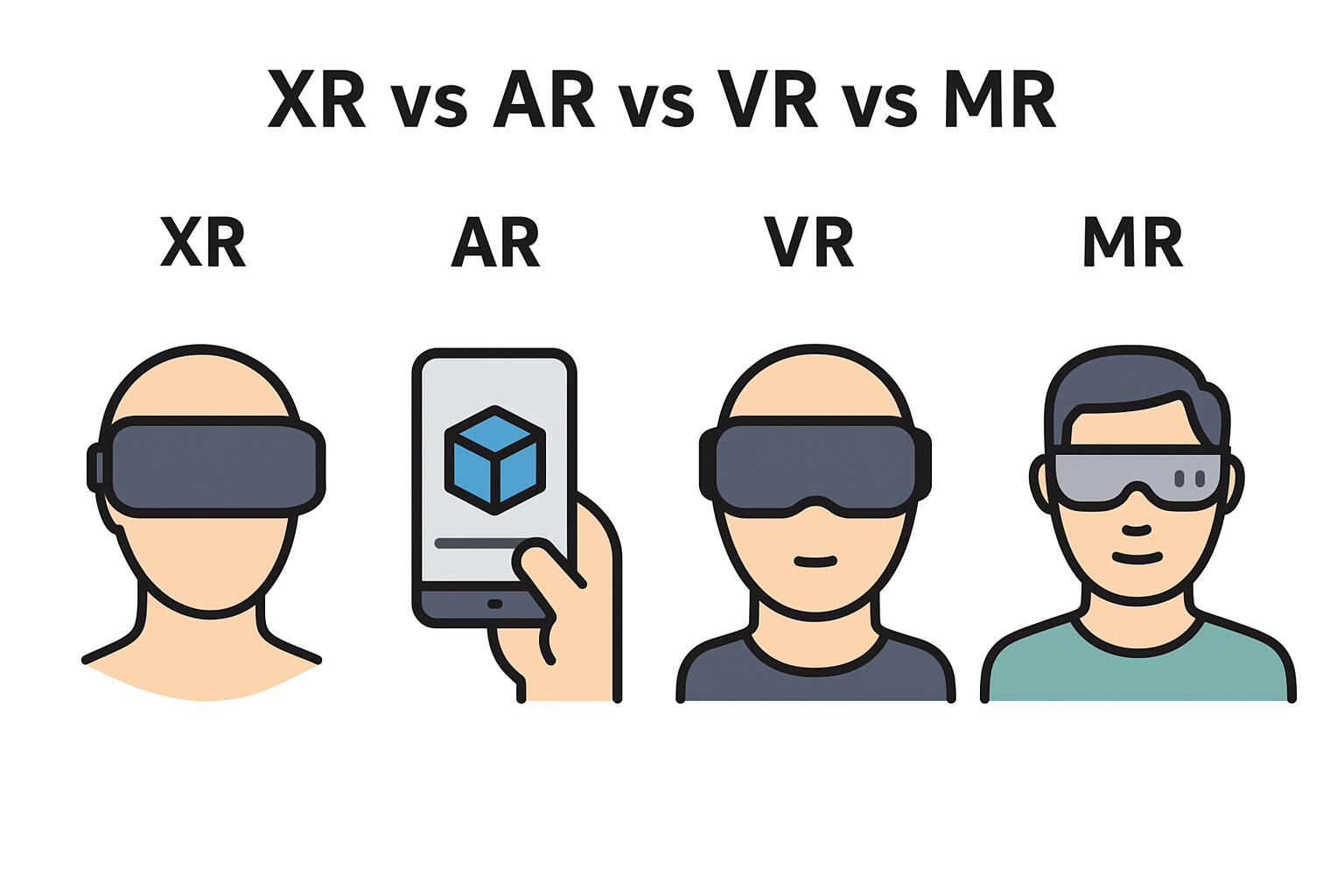
Extended Reality (XR) — an umbrella covering VR, AR, and MR — has rapidly evolved into a powerful tool across gaming, training, entertainment, education, industrial workflows, and more. But like any emerging technology, XR brings both strengths and limitations. To make informed decisions, it’s important to clearly understand the Pros & Cons of XR and how they impact users, businesses, and creators.🌟 Pros of XR: Why It’s Transforming Industries
XR introduces groundbreaking possibilities by merging digital and physical worlds. Below are the major advantages driving its global adoption.🎮 1. Immersive Experiences
XR creates presence — the feeling of “being inside†a virtual environment. This changes how people learn, play, visualize, and explore information in three dimensions.
const scene = createXRScene();
scene.add("interactiveObject");
startXRExperience(scene);
ðŸ—ï¸ 2. Enhanced Training & Simulation
From medical surgeries to manufacturing workflows, XR provides safe, controlled simulations. Employees can practice high-risk tasks without real-world danger.ðŸ 3. Real-Time Visualization
Architects, designers, and product teams use XR to preview concepts instantly. A building, a 3D product prototype, or even a complex data model can be explored before it physically exists.🤠4. Improved Collaboration
Teams share virtual spaces, meet as avatars, and interact with 3D models together — no matter where they are. Remote work becomes more dynamic and engaging.âš ï¸ Cons of XR: Challenges That Still Exist
Despite massive potential, XR has limitations that slow down adoption. Understanding these hurdles helps businesses plan better and users set the right expectations.💸 1. High Hardware & Development Costs
Advanced XR headsets, sensors, and custom-built applications can be expensive. Organizations must invest in both equipment and skilled talent.😵â€ðŸ’« 2. Motion Sickness & Discomfort
Latency, unstable framerates, or mismatched movement can cause nausea or dizziness. Even with improvements, motion sickness remains a common barrier.
if (frameRate < 72) {
    enableMotionSmoothing();
}
🔋 3. Battery, Heat & Performance Issues
Standalone XR devices often struggle with limited battery life and heating under heavy workloads. High-fidelity graphics demand powerful hardware.🔠4. Privacy & Safety Concerns
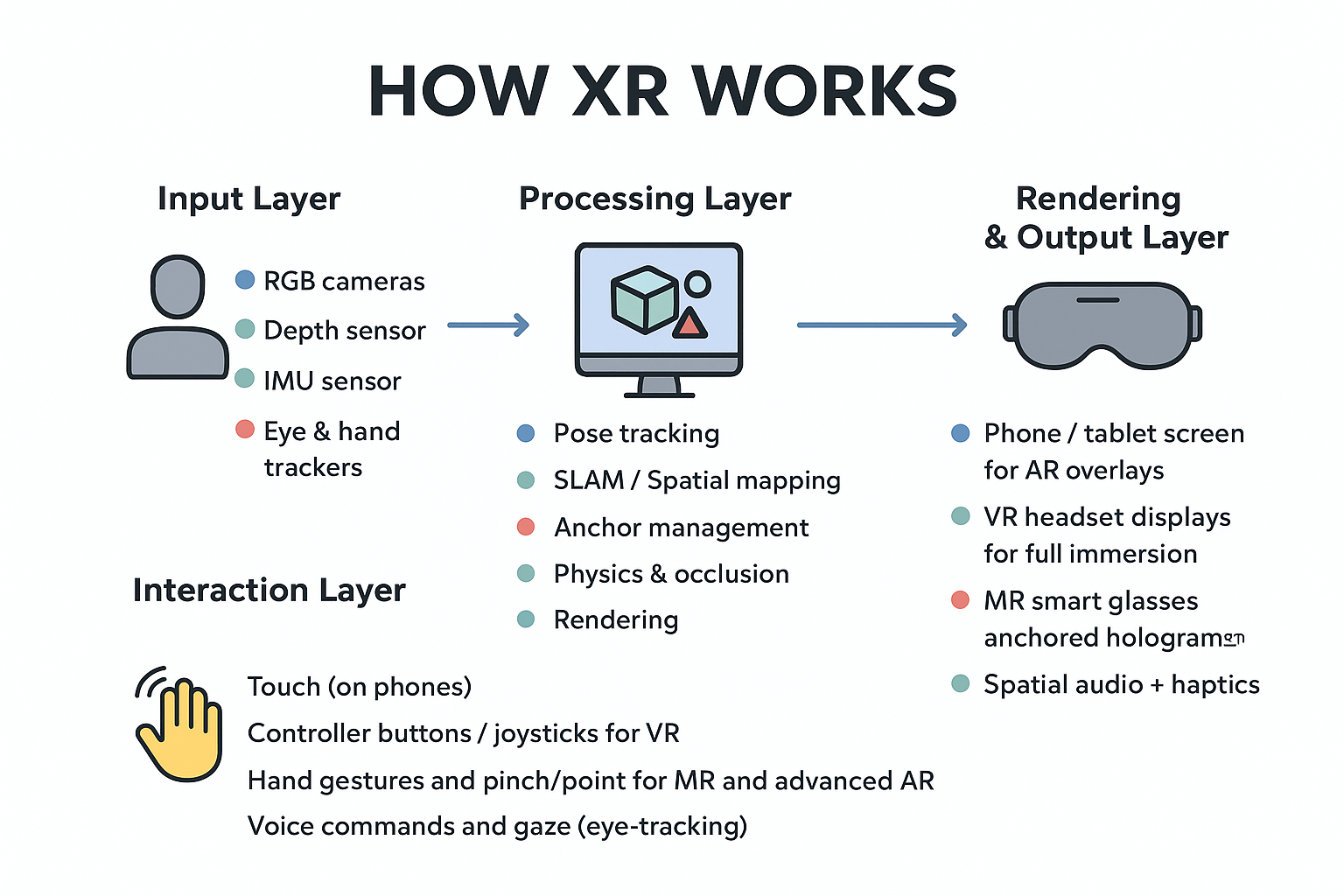
XR collects sensitive data — eye movements, hand patterns, room layout scans, and biometrics. Without proper safeguards, this can pose privacy risks.📉 5. Content & Platform Fragmentation
Different devices use different operating systems, tracking methods, and app stores. This makes it harder for developers to create universal XR experiences.🧠Final Thoughts: Balancing the Pros & Cons of XR
The Pros & Cons of XR highlight a powerful but still-growing ecosystem. While XR unlocks unmatched immersion, visualization, and training benefits, it also brings technical, financial, and comfort-related challenges. As hardware becomes lighter, faster, and more affordable, many hurdles will fade — paving the way for widespread everyday XR usage.If you’re passionate about building a successful blogging website, check out this helpful guide at Coding Tag – How to Start a Successful Blog. It offers practical steps and expert tips to kickstart your blogging journey!
For dedicated UPSC exam preparation, we highly recommend visiting www.iasmania.com. It offers well-structured resources, current affairs, and subject-wise notes tailored specifically for aspirants. Start your journey today!

Share:



Comments
Waiting for your comments