
XR in Architecture
0 1069
ðŸ—ï¸ XR in Architecture: Redefining How Spaces Are Designed
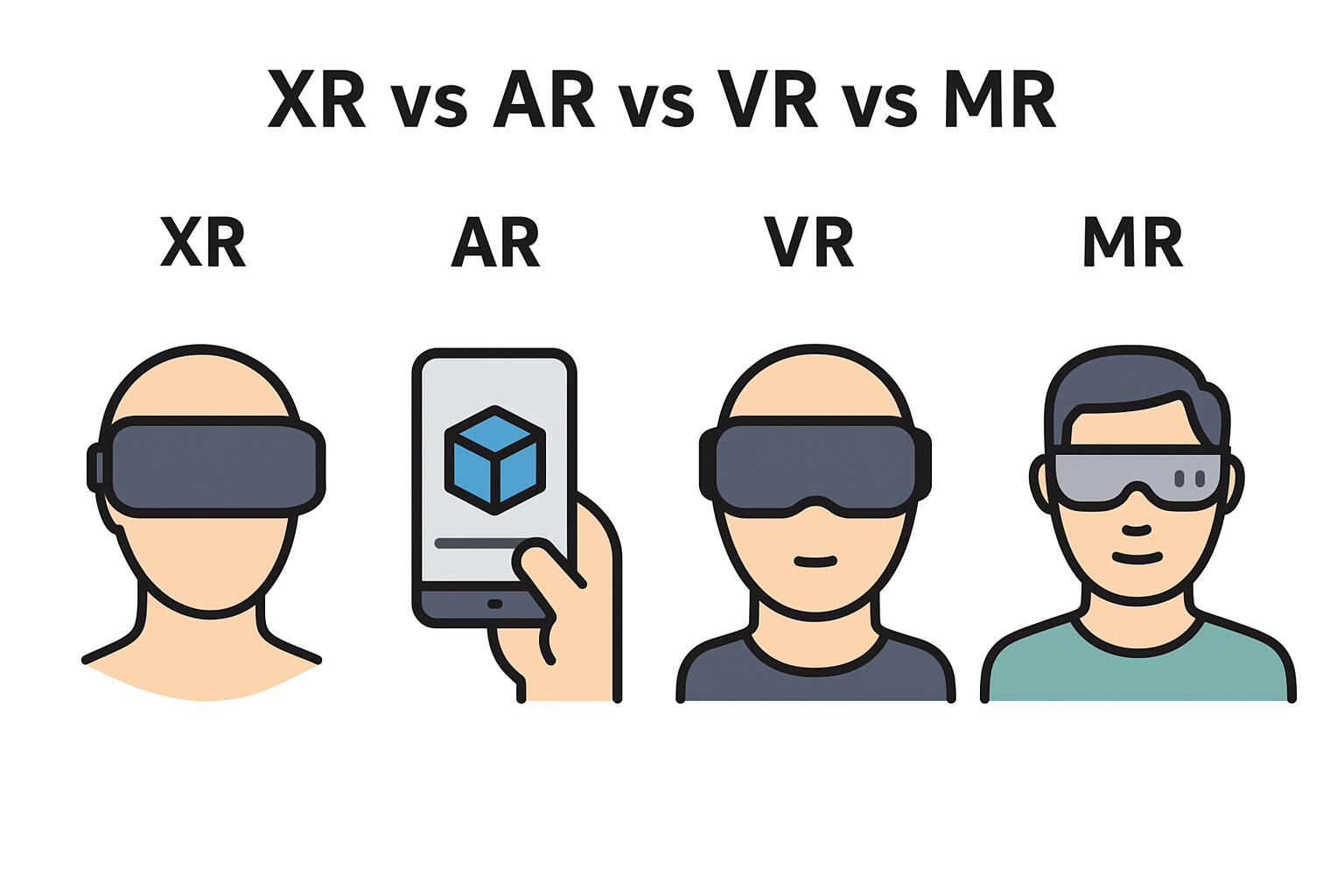
XR in Architecture is no longer a futuristic concept—it’s a practical design tool reshaping how architects think, build, and present spaces. By blending Virtual Reality (VR), Augmented Reality (AR), and Mixed Reality (MR), architects can step inside their ideas, detect flaws early, and communicate concepts with unmatched clarity.🧠Why XR in Architecture Matters Today
Traditional blueprints and 2D renders often fail to convey scale, depth, and spatial emotion. XR in Architecture bridges this gap by allowing designers and clients to experience buildings before a single brick is laid. This results in better decisions, faster approvals, and fewer revisions.ðŸ•¶ï¸ Virtual Reality for Immersive Walkthroughs
With VR, architects can create full-scale walkthroughs of interiors and exteriors. Stakeholders can move through rooms, observe lighting changes, and understand proportions naturally.
// Simple VR camera setup using Three.js
const camera = new THREE.PerspectiveCamera(
  75,
  window.innerWidth / window.innerHeight,
  0.1,
  1000
);
camera.position.set(0, 1.6, 3);
scene.add(camera);
📠Augmented Reality for On-Site Visualization
AR overlays digital models onto real-world environments, making it extremely useful during site visits. Architects can visualize how a structure fits into its surroundings or compare design versions directly on location.
// AR model placement using WebXR
navigator.xr.requestSession("immersive-ar").then(session => {
  console.log("AR session started", session);
});
🔄 Mixed Reality for Real-Time Design Iterations
Mixed Reality allows designers to interact with virtual elements while staying aware of the physical environment. Walls can be resized, materials swapped, and layouts adjusted instantly during live reviews.🢠Digital Twins in Architectural Planning
XR in Architecture enables the creation of digital twins—virtual replicas of buildings that update in real time. These models help simulate airflow, lighting, crowd movement, and maintenance scenarios long before construction begins.🤠Better Client Collaboration & Approval
Clients often struggle to interpret technical drawings. XR experiences make design intent crystal clear, leading to faster sign-offs and higher satisfaction. When clients can “walk†through their future space, trust naturally increases.⚡ Cost Savings and Error Reduction
Design flaws discovered during construction are expensive. XR in Architecture helps identify clashes, scale issues, and usability problems early—saving time, money, and reputation.🚀 Future Scope of XR in Architecture
As XR hardware becomes lighter and software more intelligent, architectural workflows will become fully immersive. AI-driven XR tools may soon suggest optimized layouts, sustainable materials, and energy-efficient designs automatically.✅ Final Thoughts
XR in Architecture is transforming imagination into experience. By enabling immersive visualization, real-time collaboration, and smarter decision-making, XR empowers architects to design with confidence, creativity, and precision. The future of architecture isn’t just drawn—it’s experienced.If you’re passionate about building a successful blogging website, check out this helpful guide at Coding Tag – How to Start a Successful Blog. It offers practical steps and expert tips to kickstart your blogging journey!
For dedicated UPSC exam preparation, we highly recommend visiting www.iasmania.com. It offers well-structured resources, current affairs, and subject-wise notes tailored specifically for aspirants. Start your journey today!

Share:



Comments
Waiting for your comments