
Spatial Computing
0 1583
🌠Understanding Spatial Computing
Spatial Computing is a new way of interacting with digital systems where virtual elements exist in real-world space. Instead of confining information to flat screens, Spatial Computing allows data, apps, and interfaces to appear around you, responding naturally to your movement, gaze, and gestures.🧩 How Spatial Computing Works
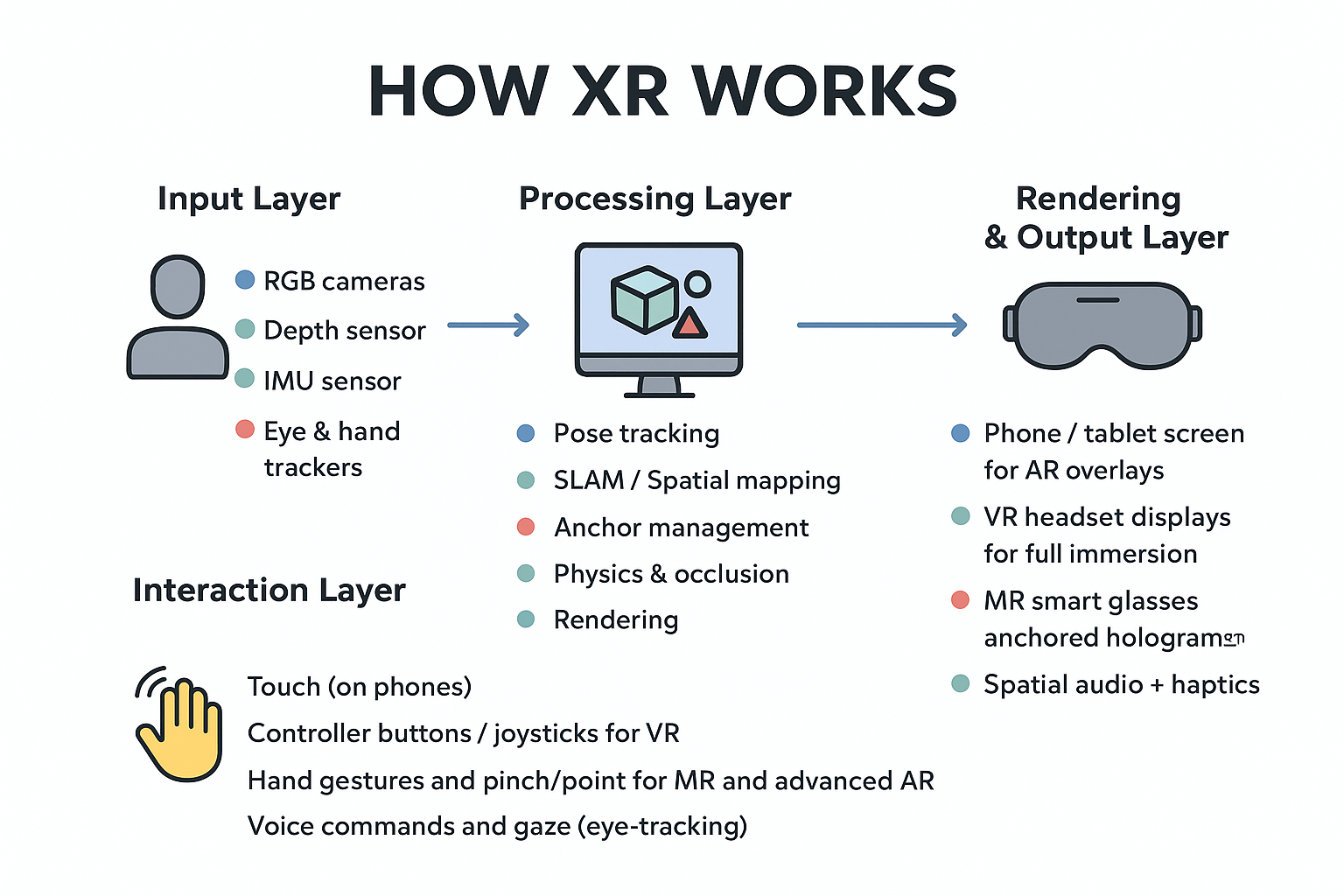
At its core, Spatial Computing combines sensors, computer vision, artificial intelligence, and 3D rendering. Devices continuously map the physical environment, understand depth, and anchor digital content to real locations, creating a blended and responsive experience.
// Example: Basic spatial anchor concept (pseudo-code)
SpatialAnchor anchor = new SpatialAnchor();
anchor.position = WorldPosition(x: 1.2, y: 0.8, z: -2.0);
anchor.attach(object: "3D_Info_Panel");
ðŸ‘ï¸ Natural Interaction & Gestures
Spatial Computing replaces keyboards and mice with more human-friendly interactions. Users can point, pinch, swipe, or simply look at an object to interact with it. This makes technology feel less like a tool and more like an extension of human behavior.ðŸ•¶ï¸ Devices Powering Spatial Computing
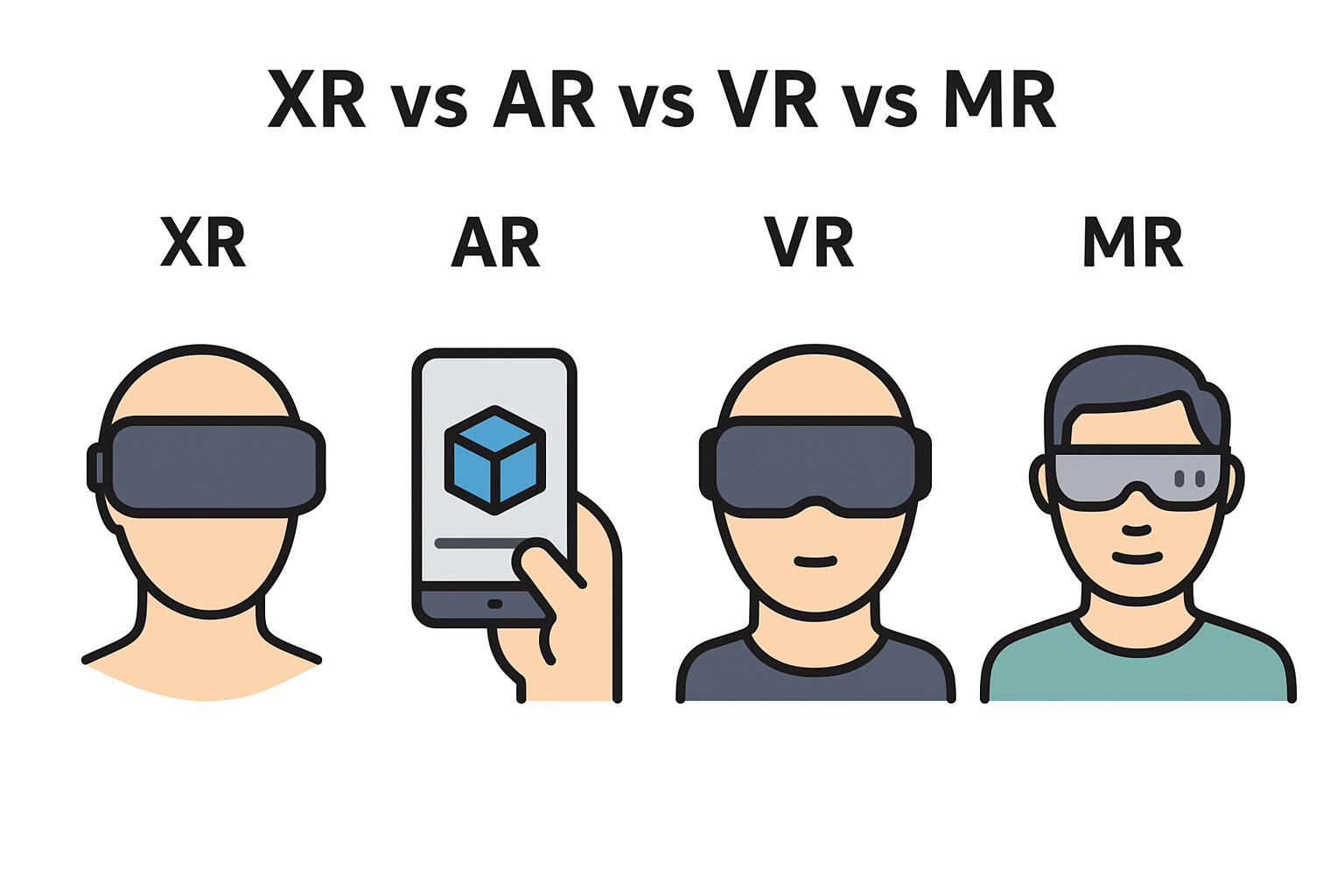
Head-mounted displays, smart glasses, and mixed reality headsets are the primary gateways to Spatial Computing. These devices use cameras, depth sensors, and eye tracking to understand both the user and their surroundings in real time.💼 Spatial Computing in Workspaces
In professional environments, Spatial Computing enables virtual monitors, immersive collaboration, and spatial data visualization. Teams can review 3D models, conduct remote meetings in shared virtual rooms, and improve focus by reducing physical clutter.
// Example: Creating a virtual workspace layout
VirtualWorkspace workspace = new VirtualWorkspace();
workspace.addScreen("Main Display", size: "Large");
workspace.addTool("3D_Model_Viewer");
workspace.activate();
🎓 Learning & Training with Spatial Computing
Education benefits greatly from Spatial Computing by turning abstract concepts into interactive experiences. Students can explore virtual laboratories, historical environments, or complex machinery, improving understanding and retention through hands-on learning.🎮 Entertainment & Immersive Media
Spatial Computing transforms entertainment by placing users inside stories instead of in front of them. Games, films, and interactive experiences adapt to the user’s physical space, making content more engaging and emotionally impactful.🔠Privacy & Ethical Considerations
Because Spatial Computing relies heavily on sensors and environmental data, privacy is a critical concern. Responsible platforms focus on on-device processing, transparent data usage, and user control to ensure trust and safety.🚀 The Future of Spatial Computing
As hardware becomes lighter and software more intelligent, Spatial Computing is expected to integrate deeply into daily life. From smart cities to healthcare and creative industries, it will reshape how humans interact with both digital systems and the physical world.✨ Final Thoughts
Spatial Computing is not just an upgrade to existing technology—it represents a shift in how information is experienced. By blending space, context, and interaction, Spatial Computing opens the door to more intuitive, immersive, and meaningful digital experiences.If you’re passionate about building a successful blogging website, check out this helpful guide at Coding Tag – How to Start a Successful Blog. It offers practical steps and expert tips to kickstart your blogging journey!
For dedicated UPSC exam preparation, we highly recommend visiting www.iasmania.com. It offers well-structured resources, current affairs, and subject-wise notes tailored specifically for aspirants. Start your journey today!

Share:



Comments
Waiting for your comments