
XR vs Spatial Computing
0 1012
🌠Introduction: XR vs Spatial Computing
As immersive technology rapidly evolves, two major terms are shaping the future of digital interaction: XR (Extended Reality) and Spatial Computing. While both deal with merging digital content and the physical world, they operate in very different ways. Understanding the differences in XR vs Spatial Computing helps creators, developers, and businesses choose the right path for innovation.ðŸ•¶ï¸ What is XR? (Extended Reality)
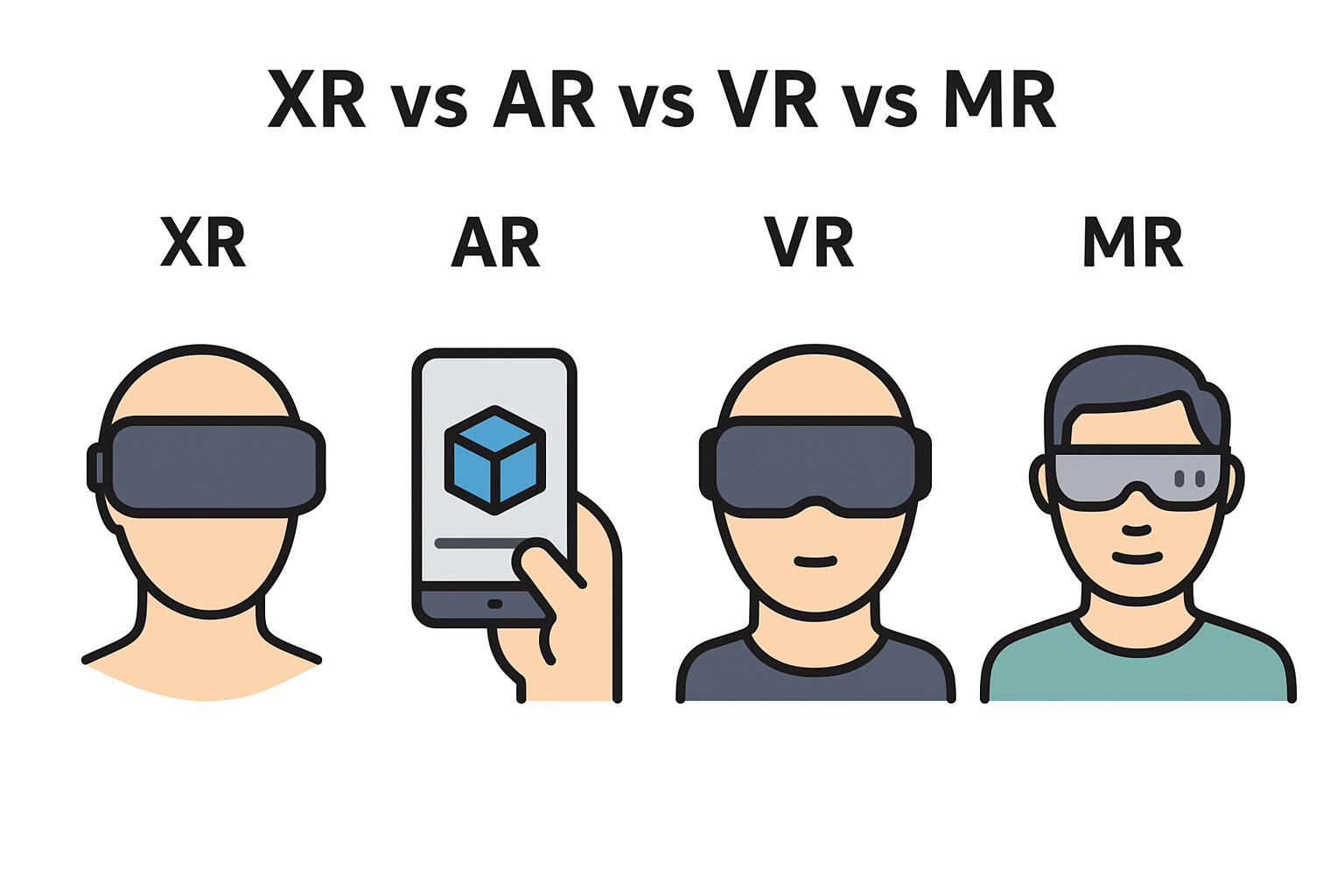
XR is an umbrella category that includes three core technologies: VR (Virtual Reality), AR (Augmented Reality), and MR (Mixed Reality). Its purpose is to extend or modify human perception by displaying computer-generated environments or overlays.
function loadXRMode(mode) {
    const modes = ["VR", "AR", "MR"];
    return modes.includes(mode)
        ? `Launching ${mode} experience...`
        : "Invalid XR mode";
}
📠Key Features of XR
• Full virtual immersion (VR)• Real-world overlays (AR)
• Blended environments (MR)
• Controller, gesture, and gaze interactions
• Real-time 3D rendering inside headsets
📡 What is Spatial Computing?
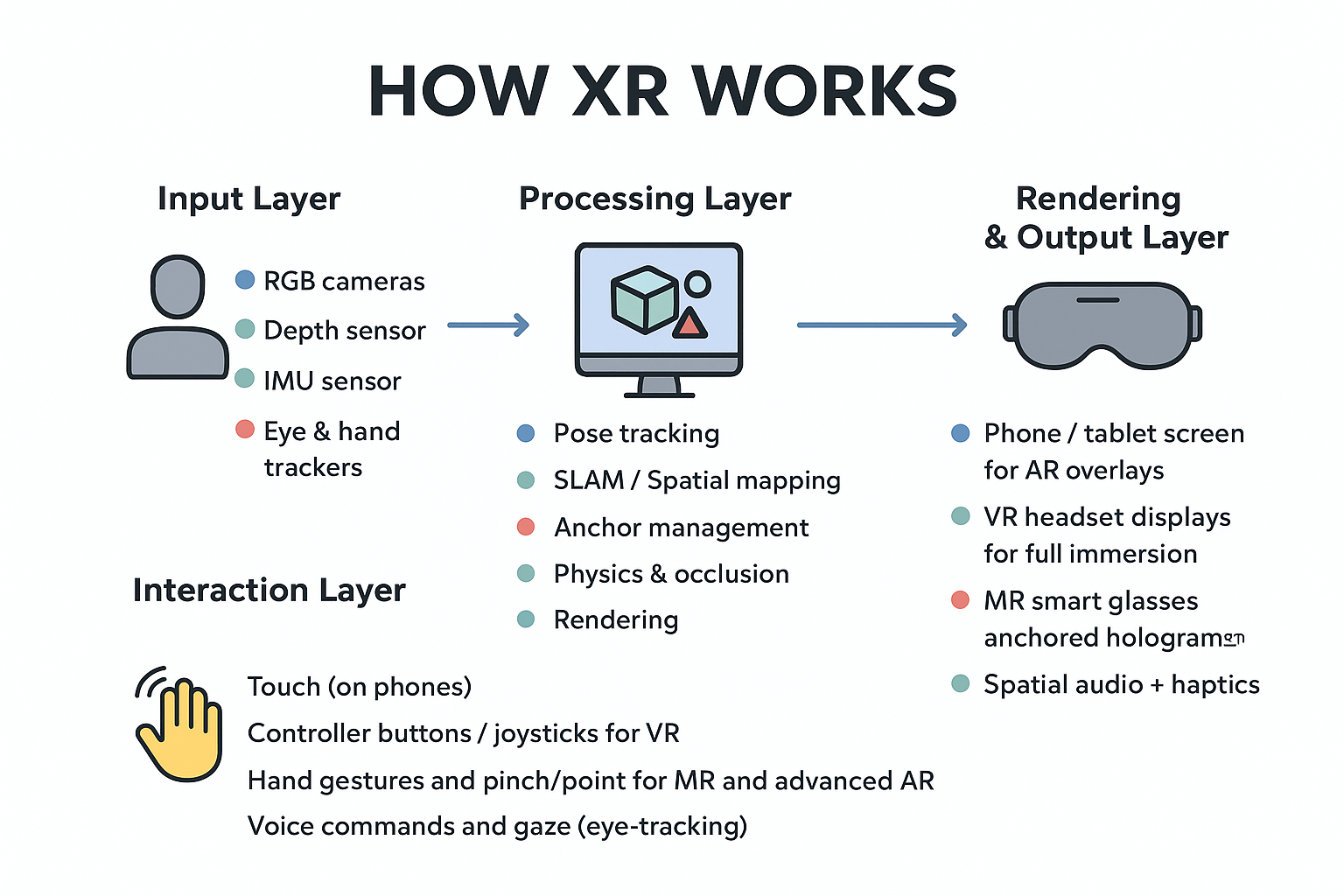
Spatial Computing goes one step beyond XR. It doesn’t just display digital objects — it understands the physical world through sensors, cameras, mapping, and AI. Devices like the Apple Vision Pro and HoloLens use spatial computing to anchor digital content directly into your environment with high precision.
const spatialMesh = scanRoom();
if (spatialMesh.detect("wall")) {
    placeObject("virtualScreen", { x: 0.5, y: 1.2 });
}
📌 Key Features of Spatial Computing
• Advanced spatial mapping• Real-time environment understanding
• Natural interaction using hands, eyes, and voice
• Digital content anchored to real-world surfaces
• Context-aware computing powered by AI
âš”ï¸ XR vs Spatial Computing: Core Differences
While XR deals with virtuality and immersion, Spatial Computing focuses on awareness and precision. Here’s how they differ:🎥 1. Immersion vs Understanding
XR prioritizes immersion and visual presentation.Spatial Computing prioritizes environmental awareness and real-world integration.
🧠2. Input Methods
XR uses controllers, gestures, or gaze interactions.Spatial Computing relies heavily on natural interactions like hand tracking, eye tracking, and voice.
ðŸ 3. Environment Interaction
XR simulates environments.Spatial Computing understands and maps the user’s real environment.
💡 4. Use Cases
XR: Gaming, training simulations, entertainment, virtual tours.Spatial Computing: Productivity tools, enterprise workflows, spatial workstations, hands-free computing.
ðŸ› ï¸ 5. Technical Foundations
XR relies on rendering engines and display technologies.Spatial Computing relies on sensors, LiDAR, SLAM, and semantic understanding.
🚀 Final Thoughts: XR vs Spatial Computing
Both XR and Spatial Computing are reshaping interaction, but in different ways. XR immerses users inside new worlds, while Spatial Computing enhances the real world with deeply integrated digital content. As technology advances, these two fields will continue to overlap — creating experiences that blend immersion with intelligence.If you’re passionate about building a successful blogging website, check out this helpful guide at Coding Tag – How to Start a Successful Blog. It offers practical steps and expert tips to kickstart your blogging journey!
For dedicated UPSC exam preparation, we highly recommend visiting www.iasmania.com. It offers well-structured resources, current affairs, and subject-wise notes tailored specifically for aspirants. Start your journey today!

Share:


Comments
Waiting for your comments