
XR in Healthcare
0 1081
🥠Understanding XR in Healthcare
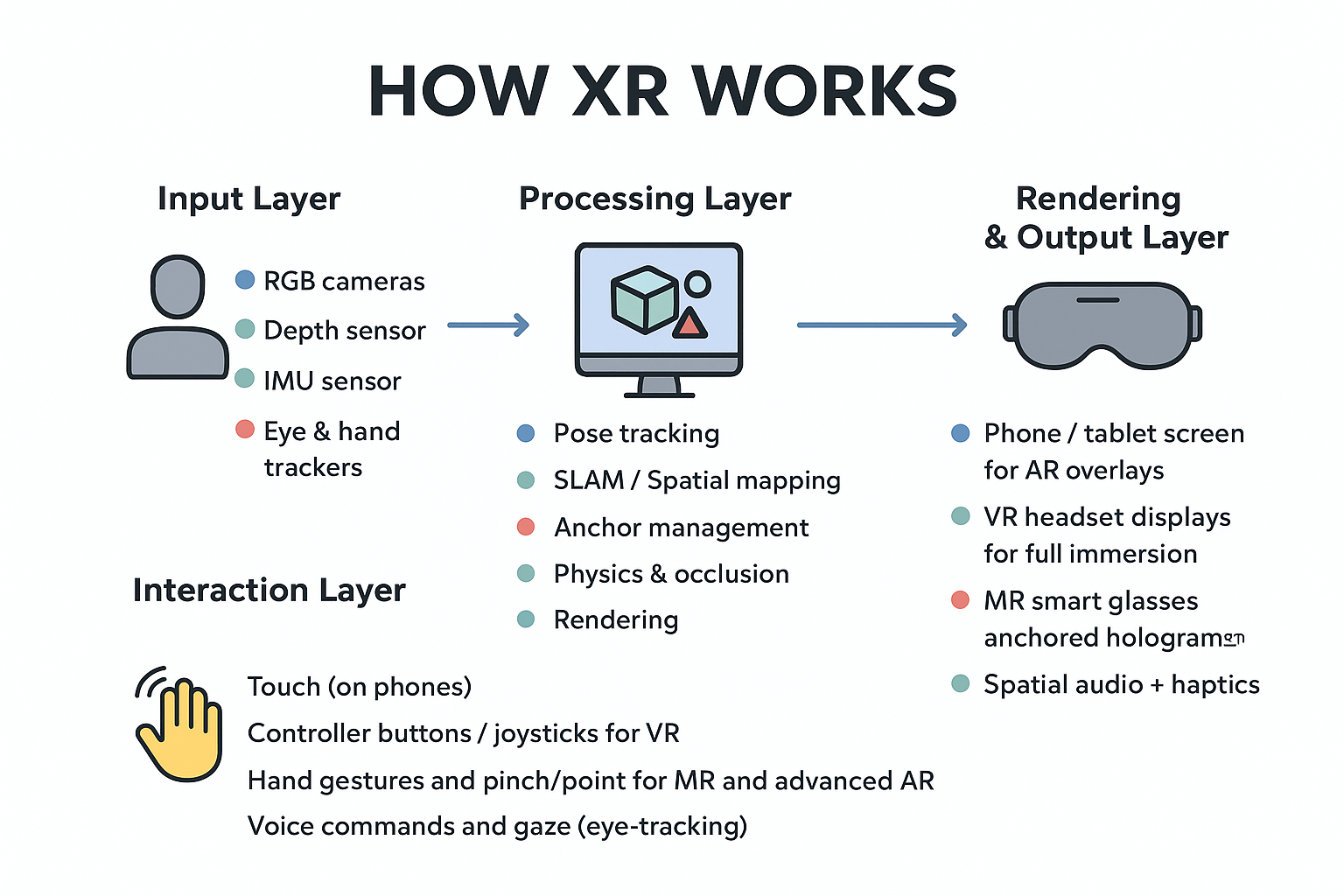
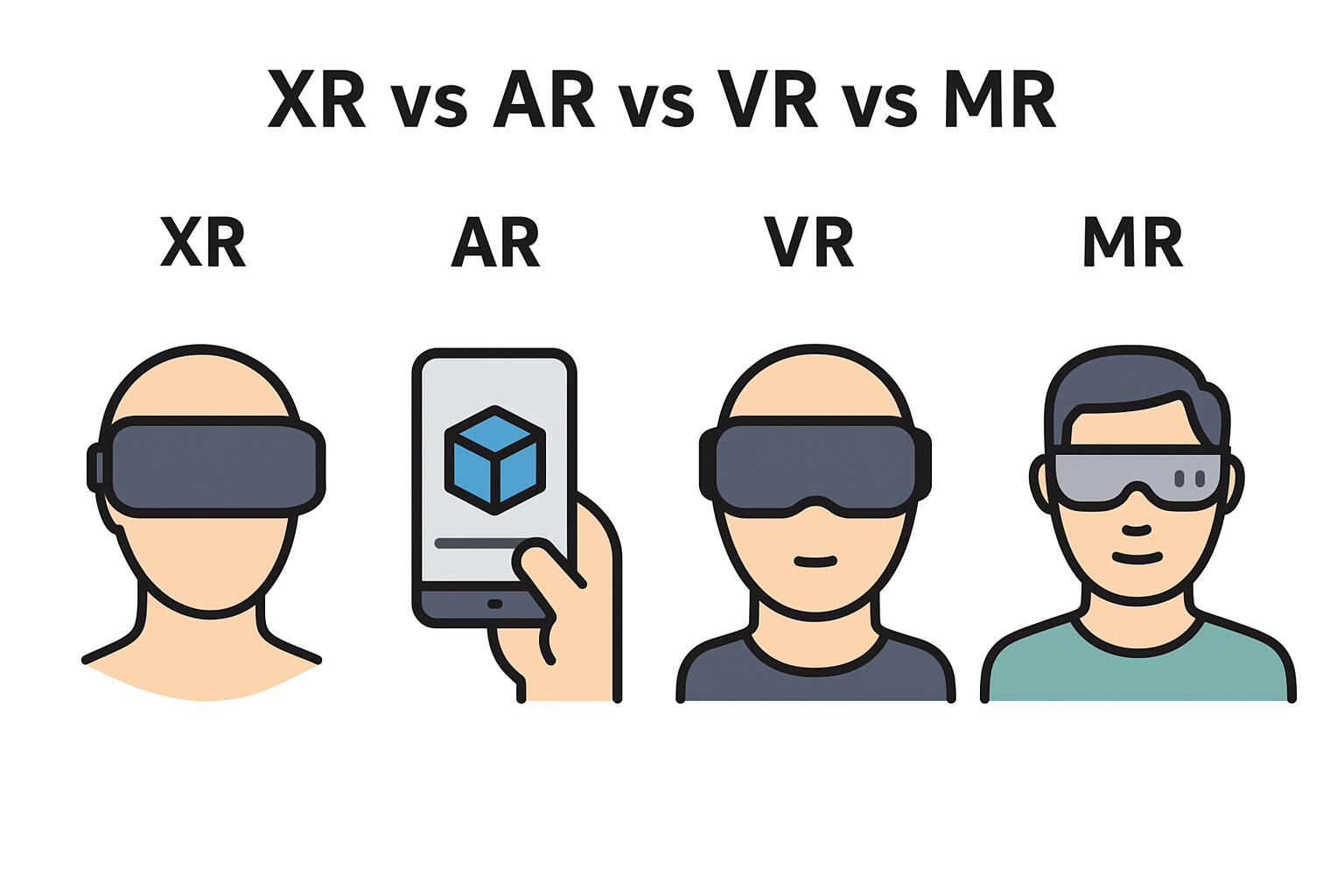
XR in Healthcare refers to the use of Augmented Reality, Virtual Reality, and Mixed Reality to support doctors, nurses, therapists, and patients through immersive digital experiences. Instead of relying only on textbooks, screens, or imagination, medical professionals can now see, practice, and interact with realistic 3D scenarios.🚀 Why healthcare is embracing XR rapidly
Healthcare demands accuracy, empathy, and continuous learning. XR fits naturally because it allows risk-free training, better visualization of complex anatomy, and improved patient communication. From classrooms to operating rooms, XR helps bridge the gap between theory and real-world practice.🧠Key applications of XR in Healthcare
- Medical training: immersive simulations for surgeries and emergency procedures
- Surgical planning: 3D visualization of patient-specific anatomy
- Patient education: explaining conditions and treatments visually
- Rehabilitation: guided therapy with real-time feedback
- Pain management: VR experiences to reduce stress and discomfort
🧩 XR training logic example
Below is a simple logic flow showing how a medical XR training module might progress through learning steps based on user performance.
let score = 0;

function evaluateAction(isCorrect) {
  if (isCorrect) {
    score += 10;
    showFeedback("Correct action");
  } else {
    showFeedback("Try again");
  }
}
🩺 AR-assisted procedures
In AR-assisted healthcare, digital overlays guide clinicians during real procedures. Labels, depth markers, and alignment guides appear directly on the patient, reducing guesswork and improving precision during complex tasks.
function displayOverlay(data) {
  overlay.position = data.targetArea;
  overlay.visible = true;
}
🧑â€âš•ï¸ Improving patient understanding and trust
Patients often struggle to understand diagnoses from verbal explanations alone. XR helps by showing interactive 3D models of organs, injuries, or treatment paths. This improves clarity, reduces anxiety, and encourages informed decision-making.📊 Measuring effectiveness in XR healthcare tools
Hospitals track outcomes such as reduced training time, fewer procedural errors, faster recovery rates, and higher patient satisfaction. These metrics help validate XR as a valuable long-term investment rather than a novelty.âš ï¸ Challenges and ethical considerations
- Ensuring data privacy and patient confidentiality
- Avoiding overreliance on simulations
- Hardware comfort for long clinical sessions
- Regulatory approval and medical validation
🔮 What the future holds for XR in Healthcare
With AI integration and lighter headsets, XR will become more personalized and predictive. Surgeons may rehearse operations using real patient data, therapists may adapt sessions in real time, and remote care could feel more human and interactive than ever before.🧾 Final thoughts / Conclusion ✨
XR in Healthcare is reshaping how medicine is taught, practiced, and experienced. When designed responsibly and used alongside clinical expertise, XR empowers professionals, educates patients, and ultimately leads to safer, more effective healthcare outcomes.If you’re passionate about building a successful blogging website, check out this helpful guide at Coding Tag – How to Start a Successful Blog. It offers practical steps and expert tips to kickstart your blogging journey!
For dedicated UPSC exam preparation, we highly recommend visiting www.iasmania.com. It offers well-structured resources, current affairs, and subject-wise notes tailored specifically for aspirants. Start your journey today!

Share:



Comments
Waiting for your comments