
XR in Museums
0 1550
ðŸ›ï¸ Introduction to XR in Museums
XR in Museums is redefining how people connect with history, art, and culture. Instead of passively observing artifacts behind glass, visitors can now interact, explore, and even step inside historical moments. By blending the physical and digital worlds, museums become living, breathing experiences rather than static spaces.🌠What XR in Museums Really Means
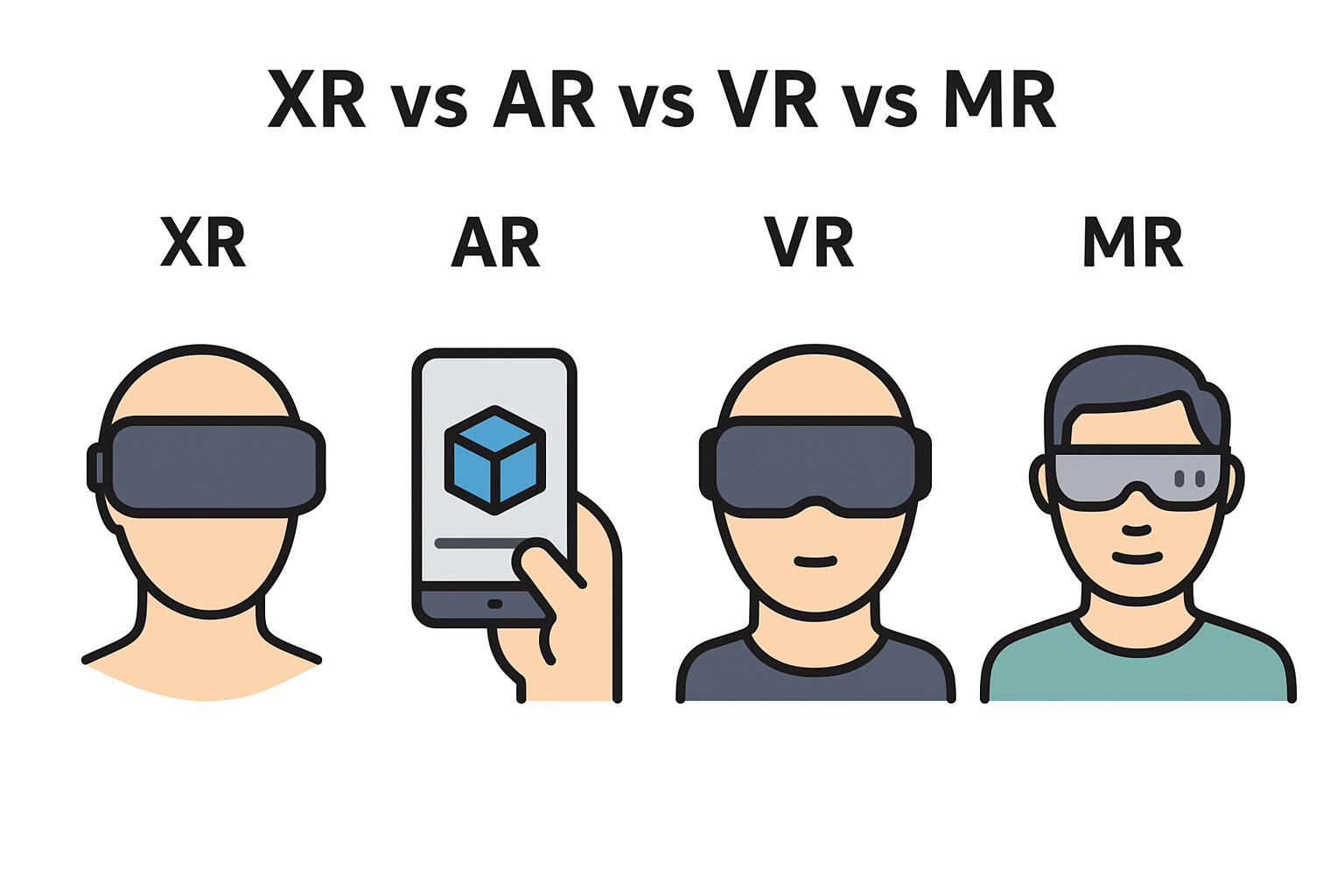
XR in Museums refers to the use of Virtual Reality (VR), Augmented Reality (AR), and Mixed Reality (MR) to enhance exhibitions. VR can transport visitors to ancient civilizations, AR can overlay digital stories on real objects, and MR allows physical artifacts to respond intelligently to user interaction.🎨 Enhancing Visitor Engagement Through Immersion
Traditional displays often struggle to hold attention for long periods. XR in Museums changes that by turning learning into an experience. Visitors remember stories better when they can walk through them, hear them, and interact with them. This immersive approach appeals to both younger audiences and tech-curious adults.📱 AR-Powered Museum Guides
With AR, smartphones or smart glasses can act as intelligent museum guides. Visitors simply point their device at an exhibit to reveal animations, historical context, or multilingual explanations, removing the need for bulky audio guides.
// Simple WebAR example using marker-based detection
if (markerDetected) {
  showOverlay({
    title: "Ancient Sculpture",
    description: "This artifact dates back to the 3rd century BCE."
  });
}
ðŸ•¶ï¸ VR Tours Beyond Physical Walls
XR in Museums also makes culture accessible to people who cannot visit in person. VR museum tours allow users to explore galleries from anywhere in the world, making education more inclusive and globally reachable.
// VR scene setup example
const scene = new VRScene();
scene.loadEnvironment("ancient_temple.glb");
scene.enableTeleportation(true);
scene.start();
🺠Preserving Heritage with Digital Twins
Fragile artifacts are at constant risk from time and environmental factors. XR in Museums enables digital twins—highly detailed 3D models that preserve cultural heritage forever. Visitors can interact with these replicas without risking damage to the originals.📊 Data-Driven Insights from XR Experiences
XR systems can track visitor behavior, such as time spent at exhibits or interaction patterns. These insights help museums optimize layouts, improve storytelling, and design more engaging future exhibitions.
// Example: tracking interaction time
analytics.track({
  exhibitId: "roman_gallery",
  interactionTime: 120,
  interactionType: "3D_Rotate"
});
🚀 Challenges in Adopting XR in Museums
Despite its benefits, XR in Museums comes with challenges like high initial costs, device maintenance, and the need for technical expertise. However, lightweight mobile AR and cloud-based XR platforms are rapidly lowering these barriers.🔮 The Future of XR in Museums
As XR technology becomes more affordable and intuitive, museums will evolve into interactive learning ecosystems. Personalized tours, AI-powered storytelling, and shared virtual spaces will soon become standard parts of the museum experience.✨ Final Thoughts on XR in Museums
XR in Museums is not about replacing physical artifacts—it’s about amplifying their stories. By merging technology with culture, museums can inspire curiosity, deepen understanding, and keep history relevant for future generations.If you’re passionate about building a successful blogging website, check out this helpful guide at Coding Tag – How to Start a Successful Blog. It offers practical steps and expert tips to kickstart your blogging journey!
For dedicated UPSC exam preparation, we highly recommend visiting www.iasmania.com. It offers well-structured resources, current affairs, and subject-wise notes tailored specifically for aspirants. Start your journey today!

Share:



Comments
Waiting for your comments